Finding the right sound therapy provider for your next session
Choosing a sound therapy provider is an important decision that can affect both the quality of your experience and whether the practice genuinely supports your wellbeing. If you are looking for sound therapy in London, there are many options, each with different styles, training backgrounds and session formats. This guide will walk you through what to look for so you can find a provider that truly suits your needs.
What sound therapy is and why it matters
Sound therapy uses the vibrational and acoustic properties of sound — from singing bowls and tuning forks to gongs and voice — to promote relaxation, balance and healing. The practice rests on the premise that sound is believed to influence the nervous system, may help reduce stress and is thought to support emotional wellbeing. Sound therapy practitioners use various instruments and techniques, and the quality of your experience depends heavily on who guides your session.
The fundamentals of sound therapy
At its core, sound therapy combines ancient wisdom traditions with modern understanding of how vibration affects the body and mind. Sessions typically take place in a calm, quiet space where you lie or sit while the practitioner plays instruments or directs sound toward you. The goal is often to help you reach a deeply relaxed state, calm your nervous system, or work through emotional tension.
Common forms and techniques
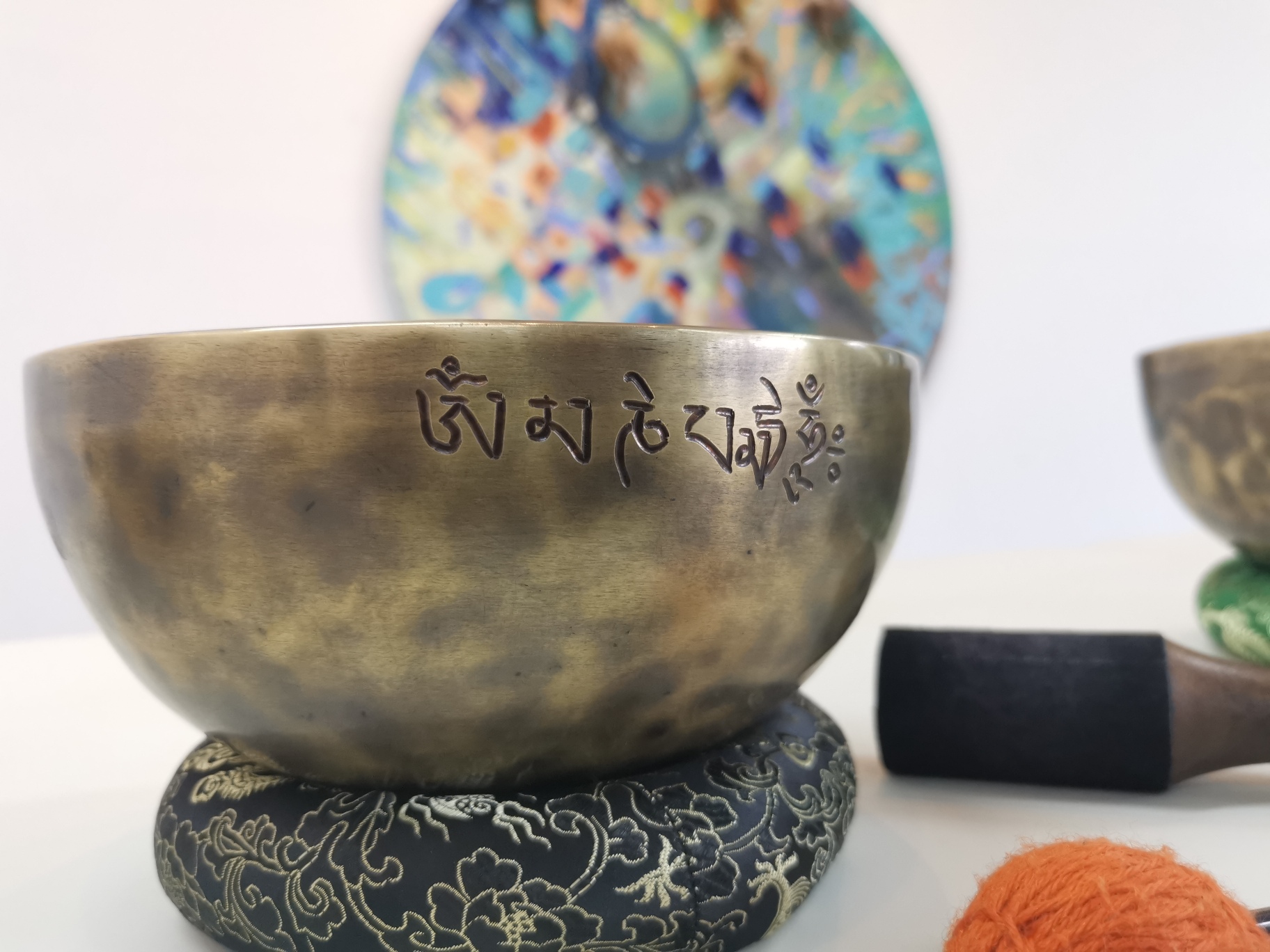
You will encounter many variations. Sound baths are immersive group sessions where participants lie down while the practitioner plays multiple instruments around the room. Crystal or Tibetan singing bowls, gongs, tuning forks, and hand drums are popular tools. Some practitioners combine sound therapy with breathwork, meditation, or other modalities like reiki. Others focus on tonal healing or use voice as the primary instrument. Understanding which form appeals to you is the first step in choosing wisely.
Key qualities to look for in a sound therapy provider
Not all sound therapy practitioners have the same level of training or approach. Evaluating a provider's background, expertise and philosophy is essential before committing to a session.
Training and background
Ask where your potential provider trained and for how long. Serious practitioners will have completed a formal course or apprenticeship, often running several months to a year or more. Look for mention of recognised training bodies such as the British Academy of Sound Therapy or other established schools. Some practitioners are also registered with the Complementary and Natural Healthcare Council, which sets standards for practitioners in complementary disciplines. This registration is voluntary but signals a commitment to ethics and accountability.
Experience with your specific needs
Sound therapy is not one-size-fits-all. Some practitioners specialise in stress relief, others in emotional release or spiritual development. If you are recovering from trauma, managing chronic pain, or working through grief, you want a provider who has genuine experience in that area. Do not assume all sound therapists are equally equipped to handle sensitive issues. It is fair to ask about their experience, any additional training in trauma-informed practice, and how they adapt sessions to individual circumstances.
Session style and approach
Providers vary widely in philosophy and method. Some are deeply spiritual and may incorporate meditation or chakra work. Others take a more grounded, anatomical approach. Some focus on relaxation while others encourage emotional release or catharsis. Neither is better — but your comfort with the provider's worldview matters for your trust and benefit. If you prefer a secular, science-informed approach, seek someone who frames their work in those terms. If you are drawn to spiritual practice, find a provider whose values align.
Understanding different session types
Session format shapes your experience significantly. Knowing what each type offers helps you choose what suits you best.
Group sound baths
Group sessions are often the most accessible entry point to sound therapy. They tend to be more affordable than private sessions and create a collective energy that many people find powerful. In a group setting, you lie down in a shared space and experience the sound together with others. The downside is that the provider cannot tailor the session to individual needs, and you have less privacy if emotional responses arise. One option is tibetan singing bowl therapy in London; another is sound healing in North London. Read more on music therapy on Wikipedia.
One-to-one sessions
Private sessions allow the practitioner to listen to your concerns, ask about your health history (though they should never claim to diagnose or treat medical conditions), and adapt the session specifically for you. You may receive hands-on attention — for example, the practitioner might place a singing bowl on your body or direct sound more intensely to certain areas. One-to-one sessions cost more but offer personalisation and privacy.
Hybrid and specialised offerings
Some providers offer small group sessions that are more intimate than large sound baths, or they might combine sound therapy with other practices like yoga, breathwork or counselling. Others may offer distance sessions or recordings. Ask what formats are available and which might work best for your schedule and comfort level.
Practical steps to evaluate a potential provider
Once you have identified a few practitioners, take time to assess them thoroughly.
Research and initial contact
Start by reading their website, social media or online profiles. Look for clear information about their training, what to expect in a session, and their approach. A professional provider will be transparent about their background and honest about what sound therapy can and cannot do. They should never make specific medical claims or promise to cure illness. Pay attention to how they communicate — do they sound knowledgeable and professional, or vague and overly mystical? Either might be fine depending on your preference, but clarity is always a good sign.
When you contact them, notice how they respond. A good practitioner will answer your questions thoughtfully and ask about your needs, health, and any contraindications (for example, some people with certain metal implants or pregnancy may need to avoid particular instruments). They should feel accessible and willing to discuss your concerns.
Assessing the environment
If possible, visit the space where sessions are held before you book. The environment matters. A good sound therapy space should be quiet, free from interruptions, and comfortable. It might be minimally decorated or soothing in aesthetic — this is less important than whether it feels safe and conducive to relaxation. Pay attention to hygiene, temperature, and how you feel in the room.
Trial sessions and compatibility
If affordability allows, consider booking a single session with a provider rather than committing to a package upfront. This trial will tell you whether their style resonates with you, whether you feel comfortable with them, and whether their technique works for your body and mind. Not every sound therapy session will be profound — sometimes they are simply pleasant and calming, which is still valuable. But you should feel respected, heard, and cared for.
Questions to ask before you book
- What training have you completed, and with which schools or mentors?
- How long have you been practising sound therapy, and with which client groups?
- What happens if I have an emotional reaction during the session?
- Do you have any contraindications I should know about? (Pregnancy, metal implants, epilepsy, and heart conditions sometimes require disclosure.)
- What is your refund or rescheduling policy?
- Will the session be confidential, and what are your boundaries around sharing client information?
- How do you adapt sessions for individual needs, and will you ask me about mine?
- Are you registered with any professional body or accredited by any organisation?
- What is your approach to the spiritual or wellness aspects of sound therapy, and how would you describe your philosophy?
Frequently asked questions
How much does sound therapy cost?
Prices for sound therapy vary widely in London depending on whether you choose a group session or private one-to-one work, the provider's experience, and the venue. Group sound baths are typically more affordable than private sessions. Many practitioners offer introductory rates or allow you to book single sessions without a package commitment.
Is sound therapy evidence-based?
Sound therapy draws on both traditional wisdom and emerging scientific research into how sound affects the nervous system, stress response, and wellbeing. While rigorous clinical trials are still limited, many people report real benefits including reduced anxiety, better sleep, and emotional release. The best approach is to view sound therapy as a complementary practice that supports your overall wellbeing rather than a medical treatment, and to choose a provider who is honest about this distinction.
Can sound therapy help with specific conditions like anxiety or insomnia?
Many sound therapy practitioners work with people who experience anxiety, sleep difficulties, and other wellness concerns. However, a responsible provider will not claim to treat or cure any medical condition. If you have a diagnosed health condition, consult your doctor before starting sound therapy and ensure your practitioner is aware. Sound therapy works best as part of a holistic approach to wellbeing alongside other support.
What should I expect in my first session?
Your first session will usually begin with a conversation about your history, current state, and what you hope to experience. The practitioner will explain what will happen and answer any questions. You will then lie down (usually fully clothed) in a comfortable position while the practitioner plays instruments around you. Sessions typically last three quarters of an hour to an hour. Afterward, there may be time to discuss how you feel. Many people feel deeply relaxed; others may experience emotional responses or insight. All of these are normal.
How do I know if a provider is right for me?
The best test is to try a session and notice how you feel. A good match means you feel safe, the practitioner listens to you, their technique resonates with your body, and you feel genuinely cared for. Trust your instinct — if something feels off, you can always try someone else. Sound therapy is personal, and finding the right practitioner often takes a little exploration.
Making your choice
Choosing a sound therapy provider is ultimately about finding someone you trust, whose training is solid, and whose approach aligns with what you are seeking. Take time to research, ask questions, and if possible, trial a session before making a longer commitment. Sound therapy in London offers genuine diversity of style and expertise — that abundance means you can afford to be selective and find a practitioner who truly supports your wellbeing. Once you have identified a provider, approach the work with an open mind and patience, and remember that your own readiness and intention matter as much as the practitioner's skill.