3 stages of your first cacao circle, from opening to integration
If you are searching for an event for cacao circle in London, you’ll find a range of options, each with its own character, focus, and facilitator philosophy. Choosing the right cacao circle provider in London depends on understanding what draws you to the practice and knowing what questions to ask.
What a cacao circle is and how it differs from other practices
A cacao circle is a group gathering in which participants consume a warm ceremonial beverage made from cacao beans, traditionally prepared with intention and ritual. Unlike a coffee shop or casual social setting, a cacao circle is structured around shared presence, often incorporating movement, sound, conversation, or silent meditation.
The origins and structure of cacao ceremonies
Cacao has been used ceremonially for thousands of years in Mesoamerican cultures. Modern cacao circles draw on these roots while adapting to contemporary wellness and spiritual practice. A typical ceremony lasts between one and three hours and is held in a calm, intentional space. The facilitator usually guides participants through an opening (where intentions are set), the consumption of the cacao drink, and a closing or integration period.
Ceremonial-grade cacao differs from commercial chocolate; it is often single-origin, minimally processed, and valued for its purity and potency. Many facilitators source cacao deliberately and may speak to its origins and preparation.
Why cacao circles attract a diverse range of participants
People come to cacao circles for many reasons: some seek a spiritual or meditative experience, others are drawn to the community aspect, and some simply wish to try something new. This diversity means that London cacao circle offerings range from explicitly spiritual or shamanic events to wellness-focused or movement-based sessions. Understanding your own motivation will help you identify a provider whose approach aligns with what you’re looking for.
Key factors to consider when choosing a provider
Group size and intimacy
Smaller circles—typically five to fifteen people—tend to foster intimacy and allow the facilitator to respond to individual participants. Larger groups may feel more anonymous but can create a powerful collective energy. Neither is inherently better; it depends on whether you prefer close attention and quieter reflection or a more energetic, communal atmosphere.
Facilitator experience and approach
A facilitator’s training, background, and philosophy shape the entire experience. Some facilitators come from a shamanic or indigenous-informed tradition; others train in breathwork, somatic practice, or sound healing and integrate cacao as one element. Ask about their experience, what draws them to cacao work, and whether they have formal training or mentorship. A good facilitator holds space with calm presence and responds with sensitivity to the group’s needs.
Session format and duration
Ceremonies vary in length and focus. Some may be purely meditative, lasting an hour; others combine cacao with movement, dance, journaling, or sharing circles, running two to three hours. Some providers offer regular weekly or monthly circles; others run one-off workshops or themed events. Consider your schedule and whether you prefer consistency or variety. See what cacao ceremony in London involves.
Venue atmosphere and accessibility
The physical space influences your experience. Is it a dedicated studio, a wellness centre, or a more informal community space? Is it quiet and minimalist, or decorated with plants, candles, and textiles? Can you easily access it by public transport? Are there facilities like changing rooms or accessible seating? These practical details matter, especially if you are new to the practice.
Understanding different ceremony styles
Spiritual and heart-centred ceremonies
Many London cacao circles emphasise the heart-opening and introspective qualities of cacao, often paired with breathwork, meditation, or guided visualisation. These ceremonies may involve personal sharing, group discussion, or time for journaling. They tend to have an explicit spiritual dimension, though not always religious or tied to any one tradition.
Movement-based and dance-focused sessions
Some facilitators combine cacao with movement, dance, or somatic practice. These sessions invite participants to express themselves through the body and may feel more dynamic and energising than meditative ceremonies. They suit people who prefer kinaesthetic engagement.
Sound and music-led experiences
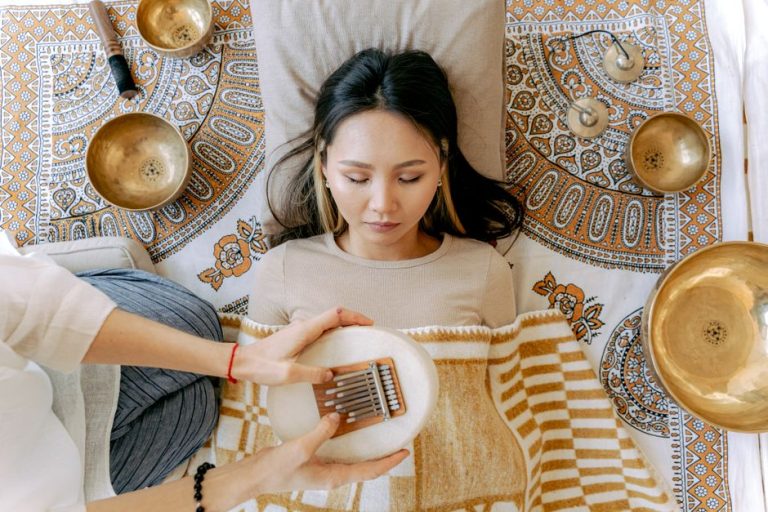
Others pair cacao with live music, singing bowls, gongs, or other instruments. Sound can deepen relaxation and create a rich sensory experience. If you are drawn to music or sound healing, this style might resonate with you.
Practical considerations before you book
Cost and pricing models
Cacao circles range widely in price depending on the facilitator’s experience, the venue, group size, and whether extras (like premium cacao, take-home rituals, or one-to-one time) are included. Some providers offer drop-in pricing; others ask for advance registration or offer packages. Clarify what is included and whether the price is transparent before booking.
Location and transport in London
London is large, and transport time can affect your experience. A venue near your home or workplace may be more convenient, but the right facilitator might be worth a journey. Check public transport links and whether parking or cycle storage is available if needed. One option is cacao ceremony in North London. One option is cacao ceremony in Kensington.
Health considerations and contraindications
Cacao contains caffeine and theobromine, so it is not suitable for everyone. Pregnant women, people with high blood pressure, those sensitive to caffeine, or anyone taking certain medications should consult a healthcare provider first. A responsible facilitator will ask about health conditions during booking or at the start of the ceremony. Do not hesitate to disclose relevant health information.
What to bring and how to prepare
Most ceremonies ask participants to wear comfortable clothing and arrive with an open mind. Some facilitators suggest fasting or avoiding heavy meals beforehand; others do not. Check the provider’s guidance. Bring water, and if you have a journal or art supplies, some ceremonies include a creative or reflective component. Arrive a few minutes early to settle in.
Questions to ask a provider before attending
- What is the facilitator’s background and training in cacao work?
- How many people typically attend, and what is the group dynamic like?
- What is the ceremony structure, and how long does it last?
- Is this a one-off event or part of a regular series?
- What quality and origin of cacao is used?
- Are there any health conditions or medications that would be contraindicated?
- What should I wear and bring?
- Is there a refund policy if I need to cancel?
- Can you describe the venue and what the atmosphere is like?
- What is your intention or philosophy in facilitating this circle?
Don’t be shy about asking these questions; a transparent, welcoming facilitator will be happy to answer them.
What to expect in your first cacao circle
1. The opening and intention-setting
Most ceremonies begin with a brief welcome and grounding. The facilitator may invite participants to set an intention—a word, wish, or question to hold during the ceremony. This helps focus your awareness and can deepen the experience.
2. The ceremony itself
Once everyone is seated, the cacao drink is served. It is typically warm and earthy, sometimes with spices or sweeteners. You’ll be invited to drink it at your own pace, often with awareness of flavour, texture, and sensation. Depending on the session, this period might include silence, guided meditation, movement, music, or group conversation. The facilitator holds space and may offer prompts or invitations to deepen your experience.
3. Integration and closing
Toward the end, there is usually a transition back to ordinary awareness. This might include sharing in a circle, journaling, creative expression, or a final meditation. The ceremony closes with thanks or a closing ritual. After the formal ceremony ends, some groups linger to chat and build community.
Frequently asked questions
How often should I attend a cacao circle?
There is no fixed rule. Some people attend weekly; others attend once or twice a month. Listen to your body and intuition. Regularity can help you build relationship with the practice and the group, but occasional attendance is equally valuable.
Will I have a strong physical or psychoactive experience?
Cacao is not a hallucinogen. The experience is subtle and varies from person to person. Some people feel warm, relaxed, or emotionally open; others feel energised or reflective. Your experience may deepen with time and familiarity.
Can I attend if I am new to meditation or spiritual practice?
Yes. Cacao circles welcome beginners. You do not need prior experience. If you feel nervous, mention it to the facilitator, who can offer gentle guidance or modifications.
What if I do not feel anything?
That is okay. Not every ceremony will be profound, and expectation can sometimes get in the way. Trust the process and stay curious. Effects often accumulate over time.
Is a cacao circle the same as a cacao ceremony?
These terms are often used interchangeably. A cacao circle typically emphasises the group and circular format, while a cacao ceremony may refer more broadly to a ritual that includes cacao. In practice, they describe very similar experiences.
Finding your fit
Choosing a cacao circle in London is a personal decision. Start by clarifying what you hope to gain: deeper meditation, community connection, spiritual exploration, or simply a novel wellness experience. Then explore the options available, read descriptions carefully, and reach out to facilitators with questions. Many offer a warm, welcoming first experience, and there is no harm in trying more than one circle to find what resonates.
If you are looking for cacao ceremonies in London options, take time to get to know the facilitators and venues. Your first circle may not be perfect, but it is often the beginning of a meaningful practice. The right fit will feel supportive, authentic, and aligned with your values and intentions.