
What to expect and how to prepare for reiki
- 0 comments
- 2 months ago
- Wellness
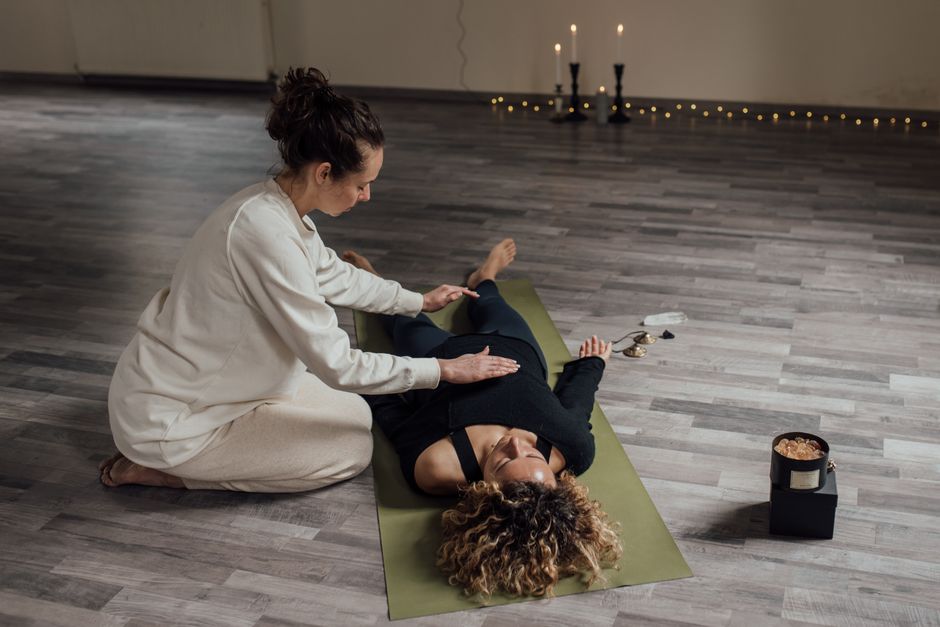
Understanding how to prepare for reiki can help you get the most from your first session. Whether you’re seeking relaxation, healing, or spiritual growth, a few simple steps beforehand will set you up for a meaningful experience. Also if you’re Looking for Reiki healing London or Reiki Healing in Colchester check our website for more.
What reiki is and how it works
The principles of reiki healing
Reiki is a Japanese healing practice that works with universal energy to promote physical, emotional, and spiritual wellbeing. The word “reiki” combines two Japanese characters: “rei” (universal) and “ki” (life force energy). Practitioners believe that by channeling this energy through their hands, they can help restore balance and encourage the body’s natural healing processes.
Unlike massage or other hands-on therapies, reiki is non-invasive and does not involve manipulation of muscles or tissues. Instead, the practitioner places their hands gently on or just above your body to facilitate energy flow. The practice is grounded in the idea that blockages in energy can lead to physical tension, emotional stress, and illness — and that reiki helps remove these blockages.
Reiki is not a religion and does not conflict with any faith system. It is complementary to conventional medical care and many people use it alongside other treatments to support their overall wellness journey.
What happens during a session
A typical reiki session lasts between 30 minutes and an hour. You will usually lie fully clothed on a massage table in a quiet, dimly lit room. The practitioner will begin by assessing your energy and may ask about any specific areas of concern or intentions you have for the session.
During the session, the practitioner will move their hands slowly across your body, spending time on different areas. You may feel warmth, tingling, coolness, or simply a sense of deep relaxation. Some people experience vivid imagery or emotions during reiki — others feel nothing obvious but report feeling calm and refreshed afterward. Every session is unique, and there is no “right” way to experience reiki.
Practical steps to prepare for reiki
Clothing and comfort
Wear loose, comfortable clothing that you can relax in. Most reiki is performed fully clothed, so avoid tight fabrics, heavy jewelry, or accessories that might distract you. Choose clothes made from natural fabrics if possible, as they allow your skin to breathe and may feel more conducive to relaxation.
Remove your shoes before the session, and consider leaving your phone in a separate room or switching it to silent. Any distraction — even a phone on vibrate — can interrupt your state of relaxation.
Timing and eating beforehand
Arrive 10–15 minutes early so you have time to settle in without rushing. Aim to eat a light meal 1–2 hours before your appointment; a full stomach can make it harder to relax deeply, while arriving hungry might be distracting. A light snack or herbal tea is fine.
Avoid caffeine for at least an hour before your session if you are sensitive to it, as it can make it harder to achieve a calm state. Similarly, limit alcohol consumption on the day of your appointment.
Creating the right mindset
Enter your session with an open, curious attitude rather than rigid expectations. Reiki works best when you allow yourself to be receptive, but there is no “correct” outcome. Some people feel dramatic shifts; others feel a subtle sense of wellbeing. Both are valid reiki experiences.
Let go of the need to control what happens. Reiki is not something you have to “do” — it is something you receive. Your role is simply to be present and allow the process to unfold.
Setting intentions before your session
Why intention matters in reiki
Setting an intention before reiki can help focus the session’s energy toward what you most need. An intention is simply a clear thought or desire about what you would like to experience or shift. This might be physical healing, emotional release, stress relief, or spiritual clarity.
Your intention acts as a compass for your own consciousness and may help guide where the practitioner directs their focus. Many practitioners ask you to state your intention at the beginning of the session, so think about it beforehand. Keep your intention positive and present-focused rather than outcome-focused — for example, “I am open to healing” rather than “I want my back pain to disappear by next week.”
How to approach an open mind
While having an intention is useful, holding it lightly is equally important. Reiki often works in unexpected ways. You might arrive wanting stress relief and find that emotional memories surface for processing instead. This is part of the healing journey.
Approach your session as an exploration rather than a transaction. The more you can trust the process and remain flexible about what unfolds, the more beneficial the experience is likely to be.
What to expect during your first appointment
The environment and practitioner interaction
A good reiki space feels peaceful and welcoming. The room temperature should be comfortable (it is easy to feel cold when lying still for an hour), and you will usually be covered with a blanket. Soft music, gentle lighting, and the use of essential oils are common but not universal — some practitioners prefer silence and stillness.
Your practitioner may talk with you briefly at the start, then remain quiet during the session. Some practitioners give feedback or observations; others work in silence. Both approaches are normal. If you have concerns about anything during the session, you can always speak up — a good practitioner will welcome communication.
The session begins with you lying down, usually face-up. The practitioner will explain where they will be working and may ask your permission before touching your head or any sensitive areas. Your comfort and consent are paramount.
Physical sensations and emotional release
During reiki, you may experience a range of sensations. Warmth is very common, especially over areas where the practitioner spends time. Some people feel tingling, pulsing, or a gentle flow of energy. Others feel heaviness or lightness. Any of these sensations is normal.
It is also entirely normal to feel nothing obvious and still benefit from the session. Reiki is subtle, and some people are more naturally sensitive to energy sensations than others.
Emotionally, reiki can bring up feelings you have been holding. You might feel tearful, peaceful, joyful, or deeply relaxed. Some people experience a release of held tension or grief. This is healing work, and emotional responses are a sign that something is shifting. Your practitioner is trained to hold space for whatever arises.
After your session: integration and self-care
Processing your experience
After reiki, take time to rest and integrate the experience. Many practitioners recommend spending at least 15–30 minutes without rushing off. Sit quietly, journal about what you noticed, or simply enjoy the calm.
You may feel deeply relaxed, peaceful, or even slightly spaced out immediately afterward. This is normal and usually passes within an hour or two. Avoid making important decisions or driving if you feel very drowsy — give yourself time to ground and come back to ordinary awareness.
Some people experience what is called a “reiki clearing” or “healing crisis” in the days after a session. This might include mild symptoms such as fatigue, emotional release, or temporary aches — the body’s way of clearing old tension or trauma. This typically passes quickly and is considered part of the healing process.
Hydration and rest
Drink plenty of water in the hours after your session. Reiki is said to accelerate the body’s detoxification processes, and hydration supports this. Rest when you can, and be gentle with yourself for the rest of the day.
Avoid strenuous exercise immediately after reiki, but gentle movement such as walking or stretching is fine. Listen to your body and honor what it needs.
Common questions about preparing for reiki
Do I need to believe in reiki for it to work?
No. Reiki works regardless of your beliefs. Skeptics and believers alike often report feeling more relaxed and balanced after a session. Your openness to the experience matters more than your faith in it.
What if I fall asleep during reiki?
Falling asleep is extremely common and is considered beneficial. Your body may need rest, and sleep is a form of healing. The reiki energy still works whether you are awake or asleep.
Can reiki interfere with medication or medical treatment?
Reiki is complementary and does not interfere with medical care. However, always inform your reiki practitioner of any medical conditions, medications, or recent surgeries so they can adapt their approach if needed. Reiki should never be used as a replacement for professional medical diagnosis or treatment.
What should I wear for a reiki session?
Wear loose, comfortable clothing. You will remain fully clothed during the session, so choose clothes that feel good and allow you to relax completely.
How often should I get reiki?
This depends on your goals and circumstances. Some people benefit from weekly sessions during a period of active healing, while others prefer monthly maintenance sessions. Your practitioner can advise based on your situation.
Key takeaways
- Reiki is a non-invasive healing practice that works with universal energy to promote relaxation and wellbeing.
- Prepare for reiki by wearing comfortable clothing, eating a light meal beforehand, and arriving early to settle in.
- Set a gentle intention for your session, but remain open to whatever unfolds.
- During your session, you may experience warmth, tingling, emotional release, or simply deep relaxation — all are normal.
- After reiki, rest, hydrate, and give yourself time to integrate the experience.
- Reiki is complementary to medical care and works best when you approach it with openness and curiosity.
Getting started with reiki
Your first reiki session is an opportunity to experience a gentle, supportive healing modality. By taking time to prepare for reiki mindfully, you create the conditions for a meaningful and restorative experience. Remember that there is no “right” way to experience reiki — each session is unique, and your body and energy will guide the process. Approach it with curiosity, allow yourself to receive, and trust that whatever unfolds is exactly what you need.