3 practical questions to ask before booking a cacao ceremony
If you are searching for a cacao ceremony, you are probably curious about what this ancient practice involves and how to find an experience that suits you. Choosing the right provider for cacao ceremony in London matters, because the facilitator, setting, and style can significantly shape whether the experience resonates with you.
What is a cacao ceremony and why people attend
The traditional roots and modern practice
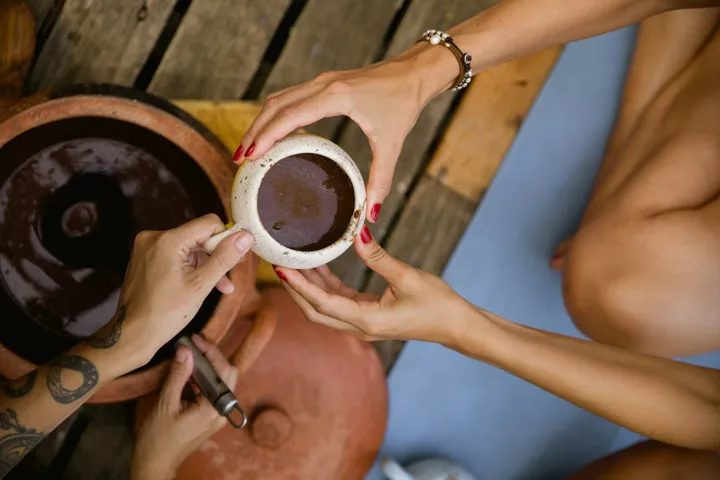
Cacao ceremonies have roots in Mesoamerican cultures, where cacao was considered sacred and used in spiritual rituals for centuries. In modern contexts, a cacao ceremony typically involves participants gathering to drink a warm, ceremonial-grade cacao beverage in a structured, mindful setting. The cacao itself is usually of higher quality and higher concentration than everyday chocolate, often prepared with intention and care.
Today’s cacao ceremonies blend respect for that heritage with contemporary wellness and spiritual practices. While the format varies widely, the core idea remains: to create a safe, intentional space for people to connect with themselves and the group.
Why people choose to participate
Participants come to cacao ceremonies for different reasons. Some seek a meditative experience or a moment of calm in a busy life. Others come looking for emotional clarity, creative inspiration, or a sense of community. Many people appreciate the gentle, non-invasive nature of the practice — it invites introspection without demand. The cacao itself is often described as heart-opening, and while responses are deeply personal, people frequently report feeling more relaxed, connected, or aware after a ceremony.
What to expect in a typical session
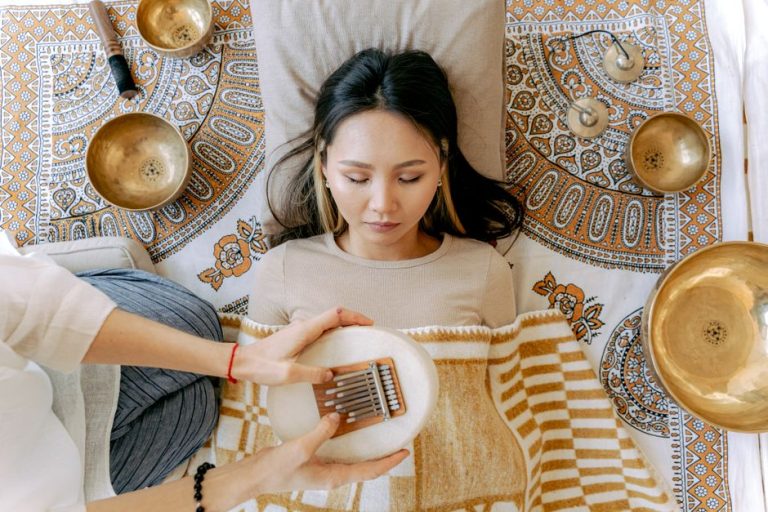
Although ceremonies differ, a typical session might last 60 to an hour and a half and usually includes: an opening or grounding practice (sometimes with sound, breath work, or intention-setting); the serving and mindful consumption of the cacao drink; a guided meditation, movement sequence, or silent reflection; and a closing circle or integration time. The atmosphere is generally calm and supportive, and participation is voluntary — there is no pressure to share, move, or feel anything in particular.
Key factors to consider when choosing a provider
Facilitator experience and training
The person leading the ceremony shapes the whole experience. Look for facilitators who can explain their approach clearly: where their training comes from, how long they have been offering ceremonies, and what their intention is. Experienced facilitators tend to hold space well, manage group dynamics with care, and respond thoughtfully if someone becomes emotional or uncomfortable. It is reasonable to ask about their background, though the most credible providers will offer this information upfront without being prompted.
The setting and group size
Where you sit matters. Some ceremonies take place in purpose-built studio spaces; others in gardens, community rooms, or healing centres. Think about what environment helps you relax. Similarly, group size affects the experience — a circle of 12 people often feels more intimate than a room of 40, but smaller groups may cost more per person. Some people prefer larger gatherings for anonymity; others find them overwhelming. Check the listing details or get in touch to understand what the space is like.
Format and duration
Ceremonies vary in length and focus. Some are primarily silent and meditative; others include talking, sharing, music, or movement. Some are themed around intention-setting; others around emotional release or creative unblocking. Read the description carefully and consider what appeals to you. If you are drawn to music and movement, a ceremonial dance-focused session will suit you better than a quiet, contemplative one. See what cacao ceremony involves.
Your own intentions and experience level
You do not need prior experience to attend a cacao ceremony — many people attend for the first time with no particular expectation. However, it helps to be honest with yourself about what you are hoping for. Are you seeking relaxation, healing, spiritual connection, community, or curiosity? A good provider will offer ceremonies at different levels (some explicitly for beginners, some for regular participants) or will make space for newcomers regardless. If you have attended ceremonies before, you might seek a specific style or facilitator whose approach resonates with you.
Understanding different ceremony styles
Meditative and grounding ceremonies
These ceremonies prioritise calm, silence, and inner focus. The cacao is often sipped slowly with gentle background music or silence. Facilitators may offer breathing exercises or body-scan meditations. This style suits people who want to quiet their mind, access inner peace, or reflect on what matters to them. It is also accessible for people who prefer not to move or share.
Movement-focused and dance ceremonies
Other ceremonies invite spontaneous movement, dance, or gentle stretching during or after the cacao. The facilitator may use rhythmic music to encourage participants to move intuitively. This style appeals to people who process emotions or energy through their body, who want a more active experience, or who find stillness challenging. Movement ceremonies can feel more energising and playful than meditative ones.
Healing and intention-setting ceremonies
Many ceremonies are framed around a specific intention — releasing what no longer serves, calling in abundance, opening the heart, or processing grief. The facilitator may guide participants through visualisation, journaling, or group sharing to deepen the intention. These ceremonies often combine elements of meditation, gentle movement, and community, and they suit people looking for a more purposeful, transformative experience.
Practical questions to ask before booking
1. What is included and what to bring
Before you book, clarify what the cost covers. Is the cacao included, or do you need to buy it? Are any props provided — blankets, cushions, notebooks? Should you bring water, a journal, or comfortable clothes? Some facilitators ask you to avoid eating for a couple of hours beforehand; others have no dietary requirement. Knowing these details helps you prepare and removes surprises on the day.
2. Health considerations and contraindications
Cacao contains caffeine and theobromine, so it is worth checking whether it suits you, especially if you are sensitive to stimulants, pregnant, breastfeeding, or taking certain medications. Some facilitators provide this information in their listing; others are happy to discuss it via email or phone if you ask. This is a straightforward conversation and any responsible provider will take it seriously. One option is cacao ceremony in North London.
3. Cancellation and rescheduling policies
Understand the booking terms. If you need to cancel or reschedule, is there a time window in which you can do so without losing your money? What happens if the ceremony is cancelled? Good providers are transparent about this upfront and usually offer flexibility for first-time bookings.
Finding ceremonies in London
Where to look and what to check
In London, you can find cacao ceremony events through wellness platforms, booking sites, and community spaces. When you search for cacao ceremony in London, look for pages or listings that show multiple providers so you can compare. A useful listing will include: the date and time, the facilitator’s name and background, a clear description of what the ceremony involves, location details (postcode or neighbourhood), the group size, the price, and how to book.
Reading descriptions and testimonials
A well-written ceremony description tells you what to expect without overpromising. Be cautious of listings that make health claims (such as “cures anxiety” or “heals trauma”) — cacao ceremonies are wellness practices, not medical treatments. Testimonials or reviews from past participants can help, but remember that everyone’s experience is different. What moved one person may not resonate the same way for another, so read them as insight into the facilitator’s style rather than a guarantee of your experience.
First-time participant tips
If it is your first ceremony, arrive a few minutes early so you can settle in, meet the facilitator, and get a sense of the space. Wear comfortable clothes. Go in with openness rather than rigid expectations — cacao ceremonies often work best when you are curious and receptive rather than demanding a specific outcome. After the ceremony, it is fine to leave quietly if you prefer, or to stay and chat with others. Many people find that the integration period (the time after the ceremony when you pause and reflect) is as important as the ceremony itself, so do not rush away if you feel moved to sit quietly.
Frequently asked questions
Is cacao ceremony a religious or spiritual practice?
Cacao ceremonies can be approached in secular or spiritual ways, depending on the facilitator and the participants. Some ceremonies honour the indigenous roots and spiritual significance of cacao; others are framed more simply as a mindfulness or wellness practice. When you are choosing a provider, their description will usually signal which approach they take, and you can select based on what feels right for you.
Can I attend if I have never meditated before?
Yes. Cacao ceremonies do not require meditation experience. Facilitators typically guide beginners through the process, and there is no “right” way to experience it. Your only job is to show up, sip the cacao, and notice what arises. If your mind wanders, that is normal and fine. Learn more about cacao ceremony with sound bath in North London.
What if I do not feel anything during the ceremony?
That is completely normal. Not every ceremony will feel profound, and that is okay. Some people feel subtle shifts in their mood or energy; others feel calm or grounded; some notice nothing obvious at the time but feel effects later. Cacao is not a hallucinogen or strong medicine — the experience is often gentle and internal. If you attend a second or third time, you may notice more, or you may simply enjoy the ritual and the community.
How much does a cacao ceremony cost?
Prices vary depending on the location, the facilitator, the group size, and what is included. Rather than guessing, check the specific listing for the ceremony you are interested in — the cost will be shown clearly when you search for cacao ceremony events.
Can I attend if I am pregnant or have health conditions?
It depends on your specific circumstances and the cacao content. The best approach is to contact the facilitator directly before booking and describe your situation. They can advise whether the ceremony is suitable for you and what adjustments (if any) might help. Most facilitators are experienced at accommodating different needs.
Summary and next steps
Choosing a cacao ceremony provider in London comes down to knowing what you are looking for, understanding what different ceremonies offer, and connecting with a facilitator whose approach resonates with you. There is no single “right” choice — the best ceremony is the one that speaks to your intentions and comfort.
If you are exploring cacao ceremony for the first time, browse the available options, read the descriptions carefully, and trust your instinct. If you feel drawn to a particular facilitator or style, book it. You can always try different ceremonies to discover what you enjoy most. Whether you are seeking calm, healing, creativity, community, or simple curiosity, there is likely a ceremony and facilitator in London that matches your needs.