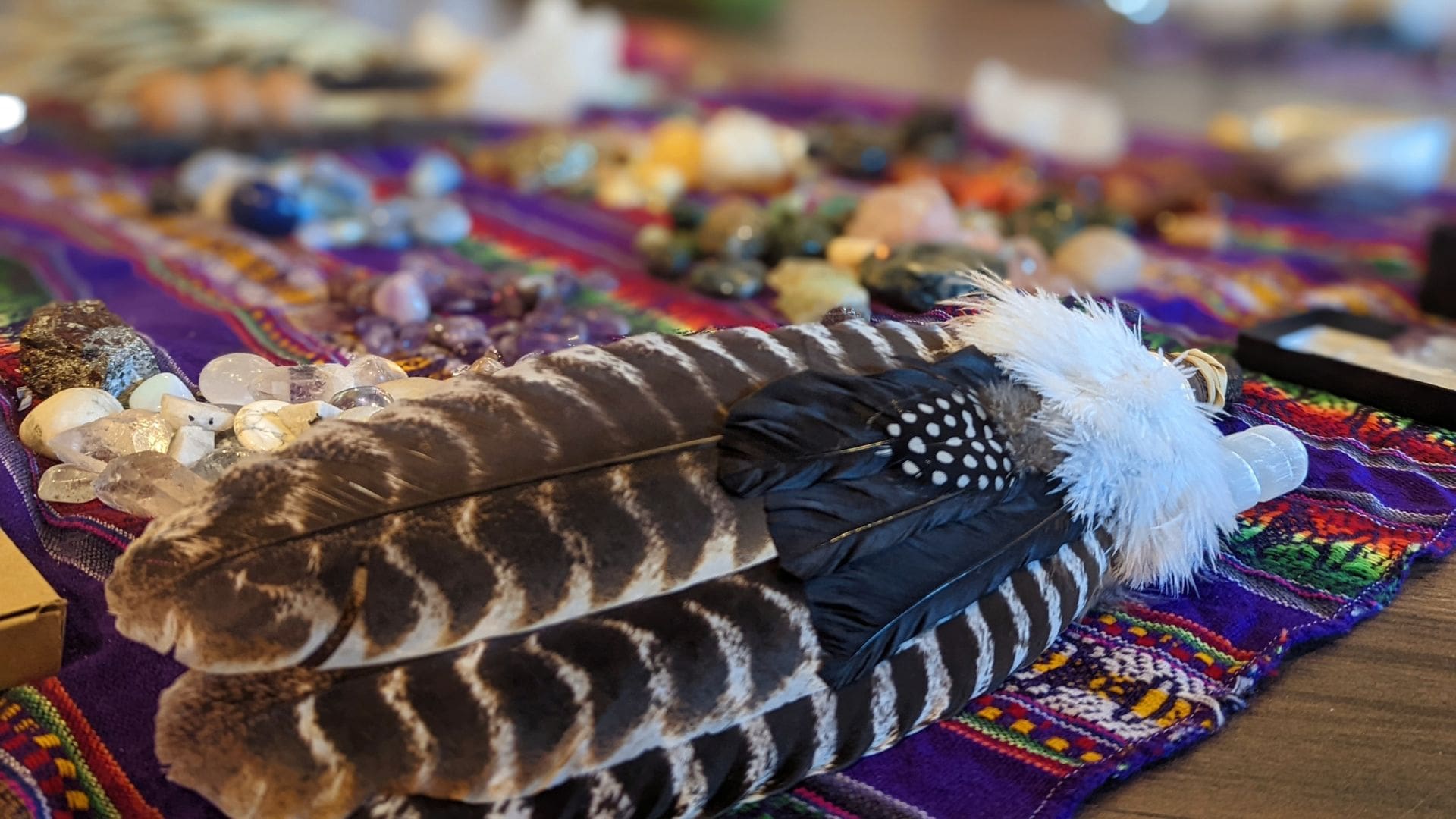
Choosing a shamanic healing provider is a deeply personal decision that requires care, research, and a clear understanding of what shamanic healing involves. Whether you’re exploring shamanic healing in London for the first time or returning after a previous experience, knowing how to evaluate a practitioner will help you find someone whose approach aligns with your needs and values.
What shamanic healing is and why people seek it
Shamanic healing is a traditional practice found across many cultures, spanning thousands of years. It rests on the belief that physical, emotional, and spiritual wellbeing are interconnected, and that imbalances in one domain can affect the others. Shamanic practitioners work with ritual, ceremony, and sometimes the use of natural tools—such as drums, rattles, herbs, or stones—to facilitate healing and restoration.
Core principles of shamanic practice
At its heart, shamanic healing assumes that the practitioner can access non-ordinary states of consciousness to diagnose and address underlying spiritual or energetic causes of distress. Many shamanic traditions view illness or difficulty as stemming from soul loss (the departure of vital life force), spiritual intrusion (unwanted energetic attachment), or loss of connection to one’s authentic self or community.
The role of the shamanic healer is to journey, see, or sense what needs to be restored or released, and to work on behalf of the client to bring about that change. Practitioners often describe themselves as acting in service to the client’s healing, rather than imposing their own agenda.
Common reasons people book shamanic healing
People come to shamanic practitioners for a wide variety of reasons. Some seek support for grief, trauma, or major life transitions. Others feel stuck creatively or spiritually, or sense that conventional approaches alone have not addressed their concerns. Some are drawn to shamanic work as part of a broader spiritual path. Still others come with specific physical or emotional symptoms and are interested in exploring the spiritual roots underlying them.
It is important to note that shamanic healing is generally understood as a complement to, not a replacement for, medical care. Reputable shamanic practitioners are clear about the limits of their work and do not claim to diagnose, treat, or cure medical conditions.
Key qualities to look for in a shamanic healing provider
When evaluating a shamanic healer, several core qualities can help you assess whether they are practising ethically and competently.
Training, lineage, and experience
Effective shamanic practitioners have usually invested significant time in their own learning and development. Many have trained with established teachers, apprenticed in a particular tradition, or studied within a lineage that has preserved shamanic knowledge. Ask a potential provider about their background: Where did they train? How long have they been practising? Do they study within a particular tradition or school of shamanism?
A skilled practitioner will be transparent about their training and willing to discuss their experience level. They should be able to explain the foundation of their practice without being vague or mysterious about it.
Ethical practice and informed consent
Ethical shamanic practitioners are clear about what shamanic healing is and is not. They do not make medical diagnoses, promise to cure illness, or suggest that clients should replace medical treatment with their services. Before any session, they discuss what to expect, how they work, and what the client’s role will be.
Informed consent is paramount. A good practitioner explains the session structure, answers questions openly, and respects your right to decline or pause a treatment. They also establish appropriate boundaries—for instance, clarifying whether the work is confidential, how they keep records, and what happens if you feel uncomfortable during a session.
Approach to confidentiality and safety
Ask how the practitioner handles confidentiality and what safeguards they have in place. Do they keep session notes? How are those records stored and protected? Are there situations in which they would breach confidentiality (for example, if they become aware of a serious risk to safety)?
Also consider the physical and emotional safety of the session space. Do they create a clean, comfortable environment? Do they have training in trauma-informed practice or know how to support someone who becomes emotional? Can they explain how they work with boundaries and consent throughout the session?
Different shamanic healing modalities and session types
Shamanic practitioners may specialise in different techniques or approaches. Understanding these can help you identify which modality resonates with you.
Journey work and soul retrieval
In journey work, the practitioner enters a trance or altered state (often induced by rhythmic drumming) to travel to non-ordinary realms. They may undertake this journey to retrieve lost soul parts, gain insight into your situation, or communicate with helping spirits or guides. Soul retrieval is based on the concept that trauma or shock can cause a person to “lose” a part of their life force, and that restoring this part brings healing and wholeness.
Energy clearing and extraction
Some practitioners work with the belief that unwanted energies, thought forms, or attachments can lodge in a person’s energy body, causing distress. They may use techniques such as extraction (removing these energies) or clearing (dispersing stagnant or heavy energy). This work might involve hands-on touch, sound, visualisation, or the use of natural materials like sage, stones, or water.
Plant medicine ceremonies
Some shamanic traditions work with plant medicines as part of their healing practice. These might include ayahuasca, san pedro, psilocybin mushrooms, or other sacred plants. Sessions involving plant medicine are intensive and require careful preparation, integration, and a responsible, experienced facilitator. If you are considering plant medicine work, the practitioner’s training, safety protocols, and post-ceremony support are critical.
Sound healing and drumming
Drumming and other sound tools are central to many shamanic traditions. The rhythmic beat of a drum can help induce the altered state in which shamanic work occurs, and sound itself is believed to have healing and balancing properties. A practitioner might use drums, rattles, singing bowls, or the human voice as part of their sessions.
Questions to ask before booking
Before you commit to working with a shamanic healer, consider asking:
- What is your training and background in shamanic practice? How long have you been working with clients?
- How do you work? Walk me through what a typical session looks like from start to finish.
- What can I expect to experience during and after a session?
- How many sessions might I need, and how often do you recommend them?
- What is your approach to confidentiality and record-keeping?
- Have you worked with clients presenting with concerns similar to mine?
- How do you integrate shamanic work alongside conventional medical care? Do you encourage clients to stay in touch with their healthcare providers?
- What are your cancellation and refund policies?
- How do you handle it if a client becomes distressed during a session?
Pay attention not only to the answers but to how the practitioner responds. Do they answer directly and clearly? Do they seem open to questions, or defensive? Do they try to pressure you into booking, or do they respect your need to think it over?
How to compare shamanic healing providers in London
London has a diverse shamanic healing community. When you are searching for shamanic healing in London, you have the opportunity to compare different practitioners and find one whose style and approach fit your needs. One option is shamanic healing near me or shamanic healing in West Hampstead.
Checking credentials and background
Look for information about a practitioner’s training, qualifications, and professional affiliations. Some may belong to professional bodies or networks that uphold ethical standards. Others may have studied within a particular shamanic tradition or school. While no universal licensing body oversees shamanic practitioners (as there is for medicine or psychology), associations and established training lineages can be a sign of serious commitment to the work. See what shamanic healing involves.
Read any biographies or descriptions the practitioner has published. A well-written biography should tell you about their training, experience, and approach—not just flowery language or vague spiritual references.
Understanding session structure and duration
Different practitioners structure their work differently. Some offer one-off sessions, others recommend a series. Sessions might last an hour, an hour and a half, or longer depending on the modality. Some include preparation or integration time; others do not.
Understanding the structure helps you know what to expect and plan accordingly. It also allows you to compare offerings: a longer, more in-depth session may be more suitable than a brief one if you are exploring deep work, for instance.
Evaluating communication and accessibility
Consider how easy it is to reach the practitioner and how they communicate. Do they respond promptly to enquiries? Are they willing to have a preliminary conversation to see if you are a good fit? Do they offer sessions at times that work for you? Some practitioners see clients in person; others offer online sessions; some offer both.
Accessibility includes emotional accessibility too. Do you feel heard and respected in your interactions? Do they explain things in language you understand? A good practitioner meets you where you are, rather than expecting you to fit into a rigid mould.
Red flags and what to avoid
Certain warning signs suggest that a shamanic practitioner may not be trustworthy or ethical:
- Pressure to book or spend money: Practitioners who push you to commit to many sessions upfront, demand large upfront payments, or use high-pressure sales tactics are a concern.
- Medical claims: Be wary of anyone who claims shamanic healing can diagnose, treat, or cure medical conditions, or who suggests you should stop seeing your doctor.
- Grandiose promises: Shamanic work can be profound and helpful, but it is not a magic cure. Practitioners who promise dramatic transformation, guaranteed results, or fast fixes are overselling.
- Boundary violations: If a practitioner behaves inappropriately, makes unwanted physical contact, or tries to establish a relationship outside the professional container, step back.
- Vagueness and evasion: If a practitioner becomes evasive when you ask about their training, experience, or methods, that is a sign to look elsewhere.
- No sense of ethics or limits: Practitioners should be clear about confidentiality, consent, and their own boundaries. If they are unclear or dismissive about these, they may not be safe.
- Isolation tactics: Be cautious of anyone who discourages you from seeking other perspectives or who suggests they are the only person who can help you.
Frequently asked questions
Is shamanic healing the same as spiritual counselling or energy healing?
No, though there is overlap. Shamanic healing is a specific tradition with particular techniques and worldviews. Energy healing is a broader category that includes many modalities (Reiki, Qigong, etc.). Spiritual counselling focuses on conversation and reflection rather than ritual or altered states. Some practitioners blend these approaches, but they are distinct.
How do I know if shamanic healing is right for me?
There is no single answer. Shamanic healing works best for people who are drawn to it, who are open to the worldview it rests on, and who are seeking support for emotional, spiritual, or relational concerns rather than acute medical emergencies. If you are curious, a conversation with a practitioner can help you gauge whether it feels like a good fit. Trust your intuition.
What should I do to prepare for a shamanic healing session?
A good practitioner will give you guidance. In general, it helps to arrive rested and hydrated, to wear comfortable clothing, and to approach the session with an open mind. Some traditions recommend fasting or avoiding alcohol for a period before the session. Ask your practitioner what they recommend.
Can shamanic healing replace medical treatment?
No. Shamanic healing is a complementary practice, not a substitute for medical care. If you have a medical concern, see a doctor. Shamanic healing can support overall wellbeing and address spiritual or emotional dimensions of health, but it is not a replacement for diagnosis and treatment by a qualified healthcare provider.
How do I know if a session has “worked”?
Results from shamanic work are often subtle and unfold over time. You might notice shifts in how you feel, changes in your perspective, or gradual improvements in your situation. Some people experience dramatic insights or releases; others sense a quiet settling or sense of peace. Trust your own experience and discuss what you notice with your practitioner.
Finding the right fit
Choosing a shamanic healer is about finding someone whose training, ethics, and approach resonate with you and support your healing. Take time to research, ask questions, and trust your instincts. When you are looking for shamanic healing, you have several options to compare; use that choice to identify a practitioner whose work aligns with your values and needs.
Start by reviewing practitioners’ backgrounds and reading their descriptions carefully. Reach out to ask questions before booking. Many reputable practitioners are happy to have a brief conversation to see if you are a good match. Once you begin working with someone, pay attention to how safe and respected you feel, and do not hesitate to seek a different provider if something does not feel right.
For more on shamanic healing in London.