A cacao ceremony in Kensington offers a gentle, heart-centred ritual rooted in ancient plant-medicine traditions. Whether you’re new to ceremonial work or returning to deepen your practice, finding the right provider makes all the difference.
What is a cacao ceremony and why choose one in Kensington
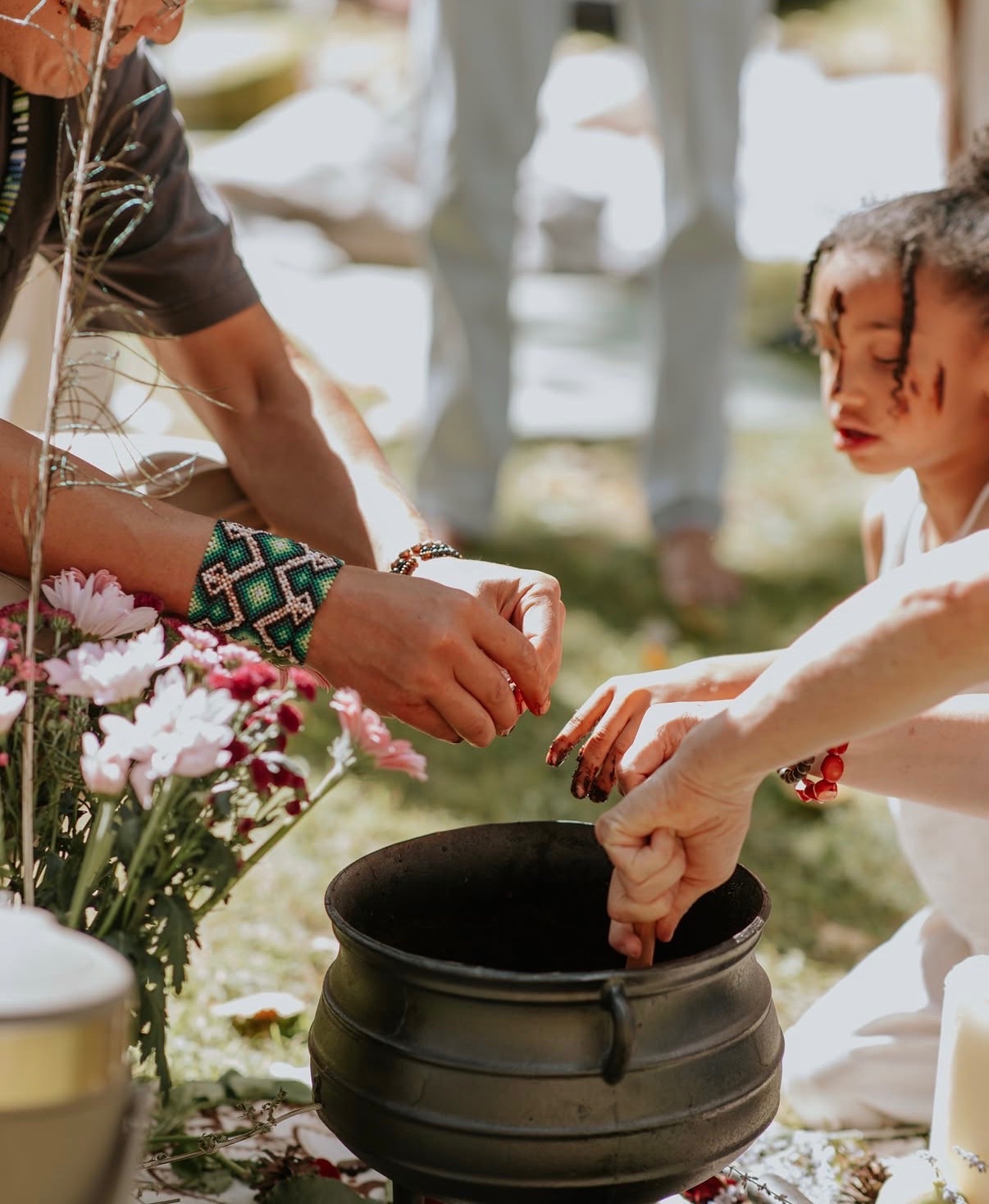
A cacao ceremony is a guided ritual in which you sip sacred, ceremonial-grade cacao while a trained practitioner holds a calm, supportive space around you. The ceremony draws on long traditions of cacao as a plant medicine, used to comfort, uplift and support emotional healing.
Cacao works gently on the heart. Many people find it eases emotional blocks and helps feelings rise to the surface in a safe, held way. This is not about performing anything in particular; instead, the ceremony simply gives you permission to feel.
North Kensington, close to Notting Hill and Chelsea, offers a well-connected setting for this kind of work. The location is accessible and provides a calm environment in which to pause and reconnect with yourself.
The heart-opening ritual of ceremonial cacao
Unlike drinking everyday chocolate or cacao powder, a ceremonial-grade preparation is made with care and intention. As you sip slowly and mindfully, you are encouraged to soften, breathe and simply notice what arises. The warmth spreads through your chest, your breathing may deepen, and your thoughts may quieten.
Why the location matters for this work
North Kensington is within easy reach of Notting Hill, Kensington and Chelsea, making it simple to build a ceremony into your week. A professional studio setting designed to feel warm and unhurried removes the logistical stress, so you can settle in quickly and focus entirely on your own experience. You may explore Cacao Ceremony in Chelsea , Ceremony in Notting Hill or a cacao ceremony in West London
Understanding the cacao ceremony experience
Before you book, it helps to know what a session actually involves and how the cacao affects your body and mind.
What happens during a session
Each ceremony typically runs for an hour and a half. Your practitioner will introduce the cacao and the intention behind the ritual, then guide you through drinking it slowly and mindfully. As the ceremony unfolds, you might notice your breathing deepen, your thoughts quieten, or old emotions surface gently for release. Afterwards, many people feel lighter, more open-hearted and more connected to themselves, though everyone’s experience is personal.
How cacao works on the body and emotions
Because cacao works gently on the heart, it creates what practitioners call a “heart-opening” effect. You are invited to slow down and reconnect with yourself through the gentle, heart-opening power of ceremonial-grade cacao. As the cacao settles into your body, you may feel warmth spreading through your chest, a quiet steadiness, or a gentle emotional release.
The role of the practitioner
A skilled practitioner—often trained in shamanic healing, transpersonal psychology, or therapeutic modalities—holds a calm and supportive space throughout. Their role is not to direct your experience, but to create an environment of trust and safety in which your own wisdom and emotions can emerge naturally.
Key qualities to look for in a provider
When choosing a cacao ceremony provider in Kensington, several factors signal professionalism and care.
Professional training and shamanic or therapeutic background
Look for a practitioner with formal training in shamanic work, psychotherapy, or related healing modalities. A transpersonal psychotherapist and shamanic practitioner brings both grounded psychological understanding and deep knowledge of plant-medicine traditions.
A dedicated, calm studio space
The venue matters. A professional studio setting designed to feel warm and unhurried allows you to settle in quickly and focus entirely on your experience. Whether you arrive alone or with others, the environment should stay calm and private throughout your time there.
Clear explanation of the intention and ritual
A good provider will explain the cacao, the intention behind the ritual, and what you might expect. This clarity helps you arrive with realistic expectations and an open mind.
Group or one-to-one options available
Ceremonies designed to work for a single person or a small group offer flexibility. Whether you seek personal reflection or group connection, having choice is valuable. Some providers also hold sessions for two, such as a couples cacao ceremony in West Hampstead, where you and your partner share the ritual side by side.
Understanding different ceremony styles
Ceremonies vary in focus as well as format. Reading the description carefully helps you choose a style that suits you.
Meditative and grounding ceremonies
These ceremonies prioritise calm, silence and inner focus. The cacao is sipped slowly with gentle background music or silence, and the facilitator may offer breathing exercises or a body-scan meditation. This style suits people who want to quiet the mind or reflect on what matters to them, and it works well if you prefer not to move or share.
Movement and dance ceremonies
Other ceremonies invite spontaneous movement, dance or gentle stretching during or after the cacao, often to rhythmic music. This style appeals to people who process emotion through the body or who find stillness challenging, and it can feel more energising and playful than a meditative session.
Sound and music-led ceremonies
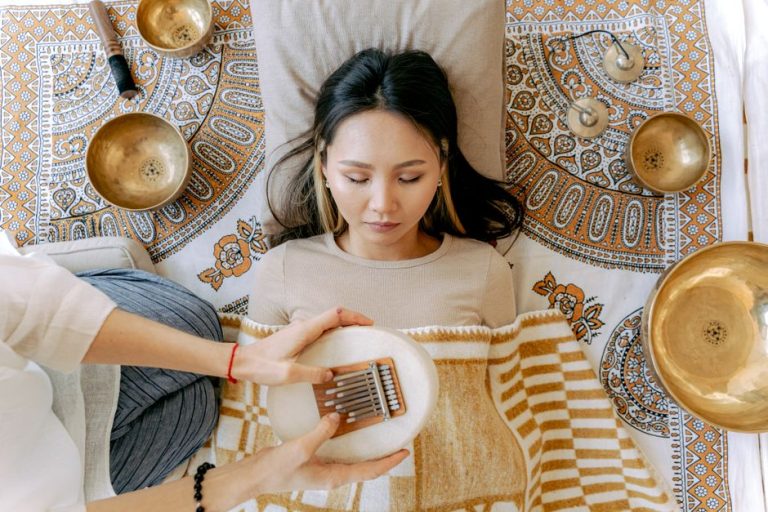
Some practitioners pair cacao with live sound: gongs, singing bowls, drums or voice, as in this cacao ceremony with sound bath in North London. Sound can deepen relaxation and create a rich sensory experience. If you are drawn to sound healing, this style may resonate with you.
Healing and intention-setting ceremonies
Many ceremonies are framed around one intention, such as releasing what no longer serves you, opening the heart or processing grief. The facilitator may guide you through visualisation, journaling or group sharing to deepen that intention. Some practitioners also combine cacao with other practices, for example a cacao, kundalini and tarot session in London.
Cacao circle or cacao ceremony?
The terms are often used interchangeably. A cacao circle usually emphasises the group and the circular format, while a cacao ceremony can describe any ritual built around cacao, including a one-to-one session. In practice they describe very similar experiences.
What to expect in an hour-and-a-half session
Understanding the structure of a session removes uncertainty and helps you prepare mentally.
The opening and intention-setting
Your practitioner introduces the cacao and the intention behind the ritual. This grounding sets the tone and invites you to bring your own intention or question to the work.
Mindful sipping and the unfolding experience
You sip a beautiful cup of sacred cacao, prepared with care. Throughout the ceremony, you are encouraged to soften, breathe and simply notice what arises. Many people find the ritual creates space for quiet, steady presence—or for deeper emotions to surface safely. See what a cacao ceremony in West Hampstead involves.
Integration and how you might feel afterwards
Afterwards, many people feel lighter, more open-hearted and more connected to themselves. Integration—taking time to sit with and reflect on what you experienced—is a natural part of the process.
Preparing yourself for a cacao ceremony
A few simple steps help you show up fully for the ritual.
Arriving with an open mind
Ceremony is not about performing anything in particular. Release expectations of what “should” happen. Instead, give yourself permission to feel whatever arises—calm, emotion, release, or quiet steadiness.
Setting a personal intention
Before you arrive, you may choose to hold a simple intention or question: a quality you wish to cultivate, an emotion you wish to release, or simply an openness to what emerges.
Practical considerations before your session
Arrive in a rested state if possible. Wear comfortable clothing. The warm, guided space invites softness and ease, so give yourself time to settle before and after the ceremony.
Health considerations
Ceremonial cacao contains caffeine and theobromine, so it is worth checking that it suits you, especially if you are sensitive to stimulants, pregnant or breastfeeding, have high blood pressure or take certain medications. If in doubt, speak to your doctor first. A responsible facilitator will ask about your health before the session, and some set out clear safety guidance on their listing, as this cacao ceremony in Willesden Green does for its hapé option.
What the price covers and cancellation terms
Prices vary with the facilitator, the venue, the group size and what is included, so check the listing rather than guessing. Before you book, confirm whether the cacao, cushions and blankets are provided, and read the cancellation and rescheduling terms. Good providers are clear about these upfront.
Questions to ask a provider before you book
- What is your background and training in cacao work?
- How many people usually attend, and is the session group or one-to-one?
- How is the ceremony structured, and how long does it last?
- What quality and origin of cacao do you use?
- Are there any health conditions or medications I should tell you about?
- What should I wear and bring?
- What is your cancellation policy?
A transparent, welcoming facilitator will be happy to answer these questions.
Frequently asked questions
Is a cacao ceremony suitable for beginners?
Yes. Cacao is a gentle, accessible plant medicine. There is no prior experience needed. Your practitioner will guide you through the entire ritual, and the space is designed to hold both newcomers and experienced practitioners.
What if I don’t feel anything?
Every person’s experience is personal. Some feel warmth, emotion or release; others experience quiet steadiness or subtle shifts. There is no “right” way to respond. Trust your own process.
Can I attend alone or only in a group?
Ceremonies are designed to work for a single person or a small group. You have the choice to come alone for personal reflection or join others for group connection.
How long does the effect last?
Many people feel lighter and more open-hearted in the hours and days following a ceremony. The work is cumulative; some people choose to return regularly to deepen their practice.
Is a cacao ceremony a religious or spiritual practice?
It can be approached in secular or spiritual ways. Some ceremonies honour the indigenous roots and spiritual meaning of cacao; others are framed simply as a mindfulness or wellness practice. The provider’s description usually tells you which approach they take.
What should I wear or bring?
Wear comfortable, soft clothing. Bring an open heart and mind. Your practitioner will provide everything else, including the cacao and any cushions or blankets for comfort.
Finding the right ceremony for you
Choosing a cacao ceremony provider in Kensington is an act of self-care. Look for a practitioner with professional training in shamanic or therapeutic work, a dedicated studio space, and a clear, grounded approach to the ritual. Whether you arrive seeking emotional release, heart-opening, or simply a pause in your week, the right ceremony offers a warm, held space to reconnect with yourself.
North Kensington provides a calm, well-connected setting, close to Notting Hill, Kensington and Chelsea. When you are ready to experience the comfort and emotional release that ceremonial cacao can bring, begin your journey with a provider for cacao ceremony in Kensington today. To compare more providers across the city, browse every listing for cacao ceremony in London in one place.