
What to expect from your first kambo session
- 0 comments
- 2 months ago
- Wellness
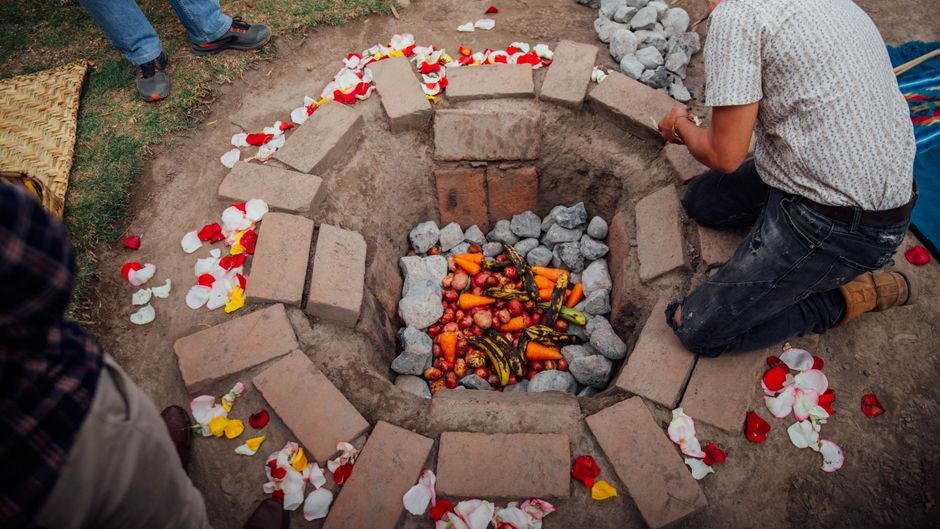
If you’re considering a kambo London experience, understanding what to expect can help you approach your first kambo session with clarity and confidence. Kambo is an ancient Amazonian practice that has gained interest among wellness seekers in the UK and beyond, and knowing the practical and physical realities beforehand makes a significant difference to how you experience it.
What is kambo and why people use it
Kambo comes from the secretions of the giant monkey frog, native to the rainforests of South America. Traditionally used by indigenous peoples, the practice involves applying the secretion to small burns on the skin, allowing the compounds to enter the lymphatic system first and then pass into the bloodstream to circulate through the body. Practitioners and users report a range of reasons for seeking kambo: some approach it as part of a broader wellness practice, others are drawn to the ceremonial and spiritual dimensions of the experience, and many come to it during periods of change, reflection, or personal growth.
It’s important to note that kambo is not approved as a medical treatment in the UK or most Western countries, and no medical or therapeutic claims are made for it. People choose it as a complementary practice, under the guidance of experienced facilitators. The experience is intense and not suitable for everyone, which is why screening and preparation are essential.
How to prepare for your first kambo session
Diet and hydration before the ceremony
Dietary preparation typically begins 24 to 48 hours before your session. Most practitioners recommend avoiding heavy, fatty, or processed foods, alcohol, and caffeine. A light, clean diet—vegetables, fruits, grains, and lean proteins—is generally suggested. Some facilitators advise eating lightly or not eating for a few hours right before the session so that your stomach is not full during the experience; always follow your practitioner’s specific guidance.
Follow your practitioner’s hydration guidance exactly — this is one of the most important safety aspects of kambo. Do not drink large amounts of water in the hours before your session or during the ceremony unless specifically instructed. Your practitioner will tell you precisely how much water to drink and when. Excessive water intake around kambo sessions is dangerous, and your practitioner’s protocol exists to keep you safe.
What to wear and bring
Wear comfortable, loose clothing that you don’t mind getting soiled. Kambo often involves purging (vomiting or bowel movement), and clothing can be affected. Many people wear clothes they’re prepared to discard or wash thoroughly afterward. Your practitioner will advise whether to bring water and how much to drink — follow their protocol rather than drinking freely. Some people find it helpful to bring a journal or notebook to record reflections afterward.
Mental and emotional preparation
Approaching kambo with a clear intention—whether that’s insight, reflection, or simply curiosity—can shape your mindset positively. Kambo facilitators often discuss intention-setting beforehand. It’s also realistic to mentally prepare for discomfort: the experience is not pleasant, and accepting that in advance helps. Some people find meditation, breathwork, or talking with the facilitator beforehand helpful for settling the nervous system.
The anatomy of a kambo ceremony
Setting and atmosphere
A kambo ceremony typically takes place in a calm, clean space—sometimes a dedicated centre, a practitioner’s home, or a ceremonial space. The environment is designed to feel safe and supportive. You may sit or lie down on a mat or cushion. Music, incense, or plants may be present. Some facilitators work in silence; others use sound or guidance. The space is usually kept warm, and you’ll have access to a toilet or basin nearby, as purging is a normal part of the process.
Initial consultation and health screening
Before the ceremony begins, a qualified practitioner will conduct a thorough conversation about your health history, current medications, allergies, and any medical conditions. This is not a formality—it’s a critical safety step. Certain conditions and medications can contraindicate kambo use. Be honest and comprehensive in your answers. The practitioner should ask detailed questions and explain how kambo will be administered and what you might expect.
The application process
The practitioner will identify small areas on your forearm or leg (sometimes the back of the neck) where tiny burns will be made—usually using a stick or a specialised tool. These burns are superficial and designed to create a small opening in the top layer of skin. The burns themselves are usually mildly uncomfortable but brief. The kambo secretion is then applied to these openings, where it enters the lymphatic system. The number of burns varies; a first-time session might involve one to three burns, though this is individualised.
What you’ll experience during the session
The immediate physical response
Within minutes of application, you’ll likely feel the kambo taking effect. Your heart may race, your skin may flush or tingle, and you might feel a sense of pressure or heaviness in your body. Many people report a rush of sensation—heat, vibration, or a tingling feeling spreading through the body. Some describe it as intense but not painful; others find it overwhelming. The intensity peaks and then gradually subsides.
The purging response
One of the most distinctive aspects of kambo is the purging response. Most people vomit within the first 10 to 20 minutes, and this is a normal and expected part of the process. Some also experience bowel movements. The purging is usually not violent, but it is unmistakable. It’s not pleasant, but it’s temporary and practitioners are experienced in supporting people through it. Within the tradition, purging is understood as a release, and many participants describe it as central to their experience.
Duration and intensity
The acute phase—the most intense sensations—typically lasts 20 to 45 minutes. After purging, many people feel a shift: the intensity decreases, and a sense of calm may emerge. The full ceremony, from application through integration and rest, usually takes 90 minutes to two hours. You’ll be guided to rest as you recover during the session, following your practitioner’s aftercare and rehydration protocol.
Recovery and integration
The hours after your session
In the hours following the ceremony, you may feel tired, tender at the burn sites, or emotionally quiet. Some people feel energised and clear; others need rest. It’s normal to feel depleted and to need sleep. Your body has undergone a significant experience, and rest is important. Avoid strenuous activity for at least 24 hours.
Post-ceremony nutrition and rest
Eat lightly in the hours following your session—broths, fruits, and vegetables are typically recommended, and your practitioner will advise you on rehydration. Avoid alcohol, caffeine, heavy foods, and sexual activity for at least 24 hours. The burn sites will heal over the coming days; they may scab slightly, and it’s important not to pick at them. Keeping them clean and moisturised helps prevent infection.
Emotional and mental effects
Many people report emotional shifts in the days and weeks following kambo. Some describe a sense of mental clarity or emotional release. Others experience a period of introspection or quietness. These effects are individual and vary widely. Integration—reflecting on the experience, journaling, or discussing it with the practitioner—can be valuable for making sense of what you’ve gone through.
Common questions about your first experience
Is the physical sensation painful? The burns are brief and mild. The main sensation is the kambo itself taking effect, which is intense but not typically described as sharp pain. It’s more accurately an overwhelming flood of sensation.
Do I have to purge? Purging is the norm for most people. Not everyone purges, but it’s common enough that you should prepare mentally for the possibility.
Will I feel better immediately after? Some people report feeling clear or light afterwards. Others feel tired and need recovery time. Both responses are normal, and individual experiences vary widely.
Can I do kambo if I’m nervous or anxious? Some nervousness is natural, and discussing your concerns beforehand, breathing exercises, and a supportive environment can all help. However, if you have an anxiety disorder or another mental health condition, or take psychiatric medication, kambo may not be appropriate — you must disclose this during screening and discuss it with your practitioner and your doctor.
How long until I can do my normal activities? Most people can resume light activity the next day, though rest is recommended for at least 24 hours post-ceremony. Avoid intense exercise for a few days. Listen to your body; recovery is individual.
Key safety considerations
Medical contraindications
Kambo is not suitable for everyone. Contraindications include pregnancy and breastfeeding, heart conditions, low blood pressure or high blood pressure requiring medication, a history of stroke or aneurysm, epilepsy, serious mental health conditions, and a range of medications — including blood-pressure medication, anticoagulants, immunosuppressants, and certain psychiatric medications. If you have any chronic health condition, take regular medication, or are in any doubt, discuss this thoroughly with both your doctor and your kambo practitioner before proceeding.
Choosing a qualified practitioner
This is critical. A qualified practitioner has deep knowledge of kambo’s effects, robust health screening protocols, and experience managing the intense physical and emotional responses that can occur. They should be willing to answer all your questions, respect your boundaries, and provide clear information about the risks. In London and across the UK, the standard of practitioners varies; take time to find someone with genuine experience, proper training, and references from previous clients. Avoid anyone who seems to oversell kambo as a cure-all, who doesn’t conduct thorough screening, or whose hydration instructions involve drinking large quantities of water.
A first kambo London session is a significant undertaking, and going in informed and prepared makes the experience safer and more meaningful. Working with a trusted, qualified practitioner and respecting the ceremony’s intensity will help you navigate your first kambo session with greater ease and clarity.
Important information
Kambo is a traditional practice offered as a complementary wellbeing experience. It is not a medical treatment, is not a substitute for medical care, and is not a licensed medicine in the UK. No health, therapeutic, or medical claims are made for it, and individual experiences vary. Practitioners offering kambo sessions through BookSesh are required to carry out individual health screening before every session. If you have a medical condition or take regular medication, consult your GP before booking.